Key takeaways
- Match microphone pickup range to room size
- Expansion mics cover longer tables
- USB speakerphones suit Teams and Zoom rooms
- Acoustics affect call quality as much as equipment
Poor audio is the most common complaint about meetings with remote participants. Voices fade, echo bounces around the room and people talk over each other. A suitable conference phone or speakerphone fixes most of this.
IP conference phones
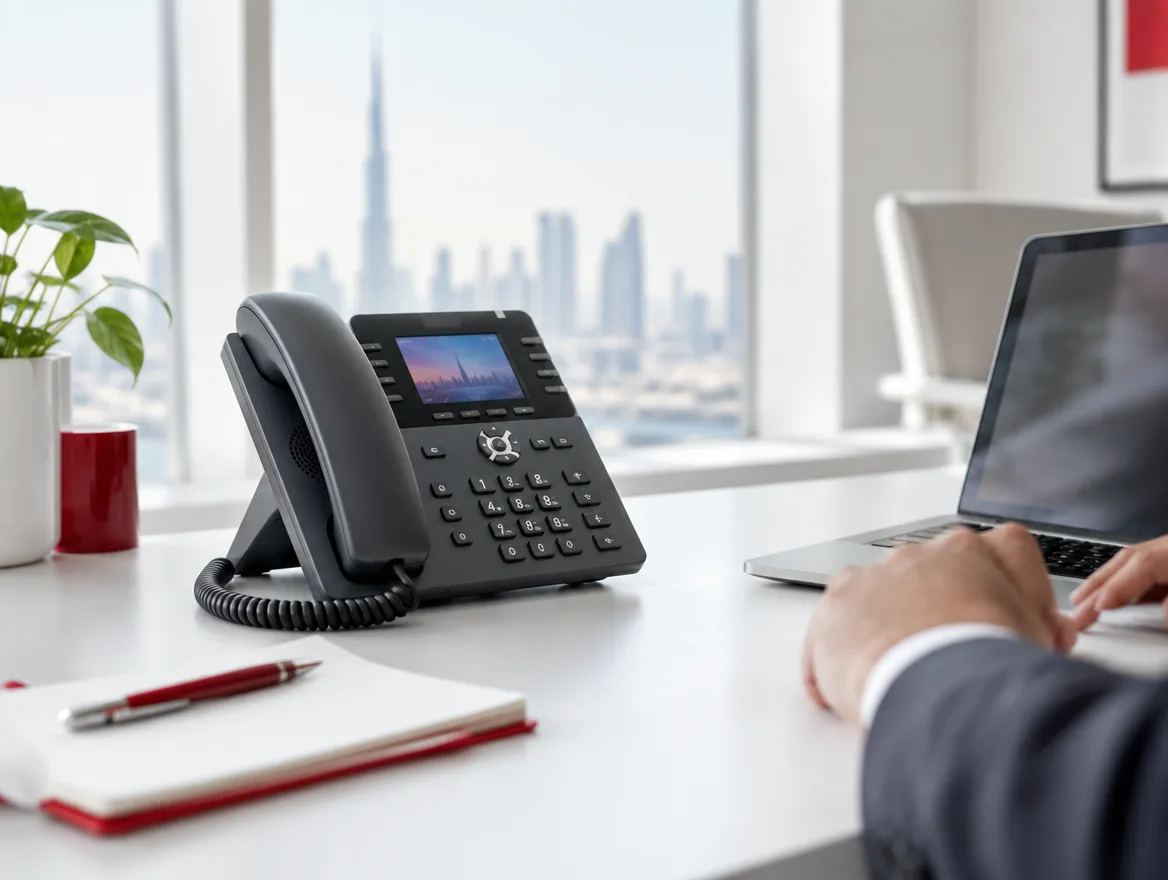
IP conference phones register directly on your phone system, so users dial in to calls and bridges without a laptop. They are ideal for rooms where audio calls are common and suit traditional boardroom use.
USB and Bluetooth speakerphones
USB speakerphones connect to a laptop or meeting room PC and work with Microsoft Teams, Zoom and Google Meet. Many also pair with mobiles over Bluetooth. They are simple, portable and well suited to huddle rooms and small meeting spaces.
Sizing for the room
Choose equipment by room size:
- Huddle rooms for two to four people: a single compact speakerphone
- Medium rooms: a conference unit with wide pickup
- Long tables: base unit plus expansion microphones
- Boardrooms: ceiling or table microphone arrays with a DSP
- Training rooms: wireless microphones for presenters
- Open spaces: directional microphones to limit background noise
Acoustics matter
Hard walls, glass and bare floors create echo that no device fully removes. Rugs, acoustic panels and soft furnishings can make a large difference to how people sound on calls.
Our recommendation
Standardise equipment across rooms so users know what to expect. We assess each room, recommend audio that fits and install it with your phone or meeting platform.
Frequently asked questions
Some hybrid models support both SIP and USB connections.
Compact models cover small groups; units with expansion mics cover twelve or more.
Not for most small rooms. Larger rooms benefit from integrated audio and video.
Yes, as part of a complete meeting room setup.