Key takeaways
- Most day-to-day IT issues are solved remotely in minutes
- Sessions are encrypted and only start with the user's permission
- Monitoring agents spot problems before staff notice them
- Hardware faults and cabling still need an on-site visit
When a laptop freezes, Outlook stops syncing or a printer disappears from the network, the fastest fix is rarely a technician driving across Dubai. Remote IT support lets an engineer see the screen, run diagnostics and correct the problem while the user carries on with their day. For most businesses, it now handles the majority of support tickets.
What happens in a remote session
The user raises a ticket by phone, email or a support portal. An engineer then sends a session request, which the user approves on screen. The engineer can view the desktop, open settings, install updates, check logs and restart services. When the issue is fixed, the session closes and the work is recorded against the ticket, so there is a full history of what was changed.
Is remote access secure?
A properly run remote support service is built around security. Look for these controls:
- Encrypted connections between engineer and device
- User approval before each session starts
- Multi-factor authentication for engineers
- Session logging and, where needed, recording
- Access limited to named engineers on your account
- Automatic disconnect after inactivity
Proactive monitoring
Remote support is not only reactive. A lightweight monitoring agent on each computer and server reports disk space, failed backups, missing updates and security alerts. Engineers can fix many of these before anyone notices a problem, which is why well-managed offices raise fewer tickets over time.
Problems that suit remote support
Software errors, email and Microsoft 365 issues, printer driver problems, VPN connections, password resets, new user setup and most security alerts can all be resolved remotely. Remote support is also ideal for staff working from home or travelling, who would otherwise wait until they are back in the office.
When an on-site visit is needed
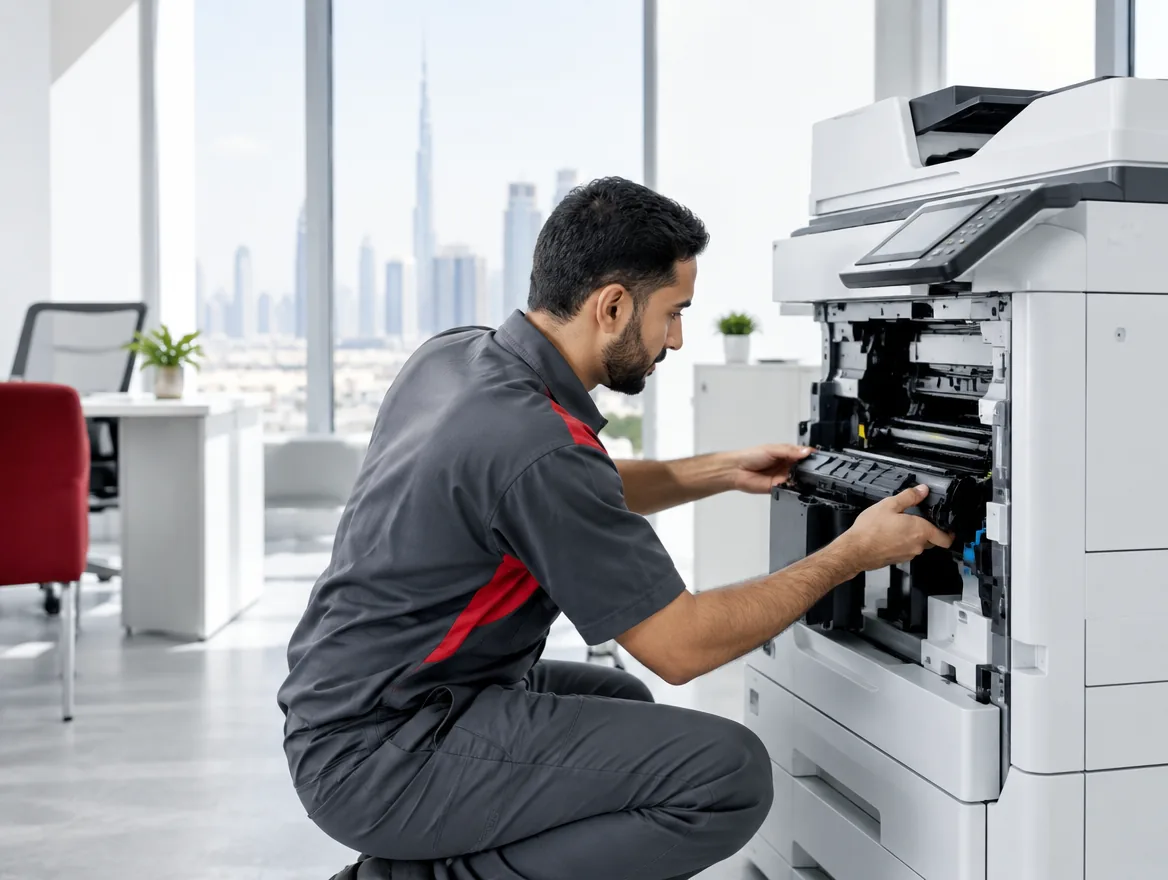
Some jobs need hands on equipment: a failed hard drive, a damaged screen, a new network switch, cabling faults, or setting up meeting room hardware. A good support plan combines fast remote help with scheduled or emergency on-site visits, so you get the speed of one and the reach of the other.
Getting started
If your team waits hours for simple fixes, remote support can change that quickly. We can install monitoring agents, set up a ticketing portal and give your staff a single number to call, usually within a week.
Frequently asked questions
Yes. Modern remote support tools work on Windows, macOS and most mobile devices.
Not with attended sessions. You approve each session, and you can end it at any time.
Many issues are picked up within 15 to 30 minutes, depending on your service level agreement.
Yes. Servers, firewalls and network devices can all be monitored and managed remotely.